As the world shifts toward sustainable living, solar power has become one of the most popular renewable energy solutions. Among the latest innovations in this field are plug-in solar panels—an easy and accessible way for individuals to generate electricity without complex installations. These systems are designed for simplicity, affordability, and flexibility, making solar energy more approachable than ever.
What Are Plug-In Solar Panels?
Plug-in solar panels, also known as “plug-and-play solar systems,” are small-scale solar energy setups that can be directly connected to a standard electrical outlet. Unlike traditional rooftop solar systems that require professional installation and grid integration, these panels are designed for DIY users.
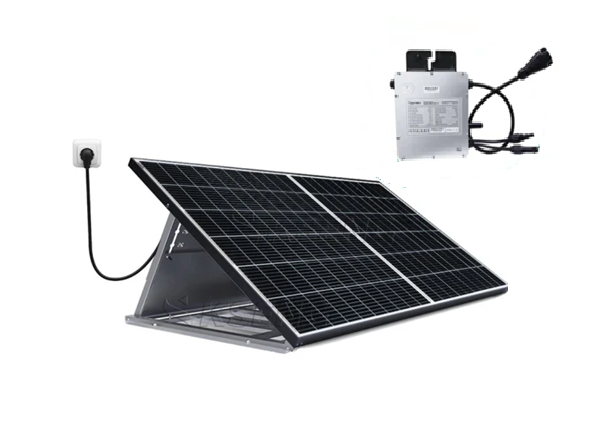
Typically, a plug-in solar system includes:
- One or two solar panels
- A micro-inverter
- Mounting equipment
- A power cable with a standard plug
Once installed, the system generates electricity from sunlight and feeds it directly into your home’s electrical circuit through a wall socket.
How Do Plug-In Solar Panels Work?
The working principle of plug-in solar panels is similar to traditional solar systems but on a smaller scale.
- Solar panels capture sunlight and convert it into direct current (DC) electricity.
- A micro-inverter converts DC into alternating current (AC), which is usable in homes.
- The electricity is then fed into your home’s grid through a plug socket.
- Your appliances use this solar power first, reducing the need for electricity from the main grid.
This process helps reduce your electricity consumption and lowers your energy bills.
Key Benefits of Plug-In Solar Panels
1. Easy Installation
One of the biggest advantages is simplicity. You don’t need technical expertise or professional installers. Most systems can be set up in under an hour.
2. Affordable Entry into Solar Energy
Traditional solar systems can be expensive. Plug-in panels offer a low-cost alternative, making solar power accessible to renters and budget-conscious users.
3. Portability
These panels are lightweight and easy to move. You can install them on balconies, terraces, or even take them with you when you relocate.
4. Immediate Energy Savings
Once plugged in, the system starts generating electricity instantly. This helps reduce your daily power consumption from the grid.
5. Environmentally Friendly
Using solar energy reduces reliance on fossil fuels, lowers carbon emissions, and contributes to a cleaner environment.
Ideal Use Cases
Plug-in solar panels are particularly useful in the following scenarios:
- Apartments with balconies
- Small homes with limited roof space
- Rental properties where permanent installations are not allowed
- People looking to test solar energy before investing in a full system
- Outdoor spaces like gardens or garages
Limitations You Should Know
While plug-in solar panels are convenient, they do have some limitations:
1. Limited Power Output
These systems usually generate between 300W to 800W, which is enough for small appliances but not for powering an entire house.
2. Regulatory Restrictions
In some regions, feeding electricity back into the home grid via a plug may not be allowed or may require approval. Always check local regulations before installation.
3. No Battery Storage (Usually)
Most plug-in systems do not include batteries, meaning excess energy cannot be stored for later use.
4. Efficiency Depends on Placement
The performance depends heavily on sunlight exposure. Poor placement can significantly reduce energy output.
5. Safety Considerations
Improper installation or use of low-quality equipment can pose electrical risks. Always follow safety guidelines and use certified products.
Cost and Return on Investment
Plug-in solar panels are relatively affordable compared to traditional systems. Prices can vary depending on brand, quality, and power capacity, but they are generally within reach for most households.
In terms of savings:
- You can reduce your electricity bill by a small but noticeable amount
- Payback period typically ranges from 2 to 5 years
- Long-term savings depend on sunlight availability and usage patterns
Although the savings may not be massive, the low initial cost makes it a worthwhile investment for many users.
Installation Tips
If you’re planning to use plug-in solar panels, keep these tips in mind:
- Place panels where they receive maximum sunlight (south-facing direction is ideal in most regions)
- Avoid shaded areas to improve efficiency
- Ensure the mounting is stable and secure
- Use certified and high-quality components
- Check local laws and regulations before connecting to your home grid
Are Plug-In Solar Panels Worth It?
Plug-in solar panels are a great starting point for anyone interested in renewable energy. They offer a simple, low-cost, and flexible way to reduce electricity bills and environmental impact.
However, they are not a complete replacement for traditional solar systems. If your goal is to power an entire home or achieve energy independence, a full rooftop solar setup with battery storage would be more suitable.
For beginners, renters, and small households, plug-in solar panels provide an excellent introduction to solar technology.
The Future of Plug-In Solar Technology
As technology advances, plug-in solar systems are expected to become more efficient, affordable, and widely accepted. Governments and energy authorities in many countries are beginning to support small-scale solar adoption, which could lead to fewer restrictions and better incentives.
Innovations such as smart inverters, compact battery storage, and improved panel efficiency will further enhance the appeal of plug-in solar solutions.
Conclusion
Plug-in solar panels are transforming the way people access clean energy. With their easy installation, affordability, and flexibility, they make solar power available to a wider audience than ever before.
While they may not replace traditional solar systems, they serve as an excellent stepping stone toward a greener lifestyle. Whether you want to save on electricity bills, reduce your carbon footprint, or simply explore renewable energy, plug-in solar panels are a smart and practical choice.
By starting small, you can take a meaningful step toward a more sustainable future.
Amazon Alexa AI Update in the UK: A New Era of Smart Assistants